Protein and Fitness Nutrition Guides
Comprehensive resources and expert insights on muscle building nutrition, supplementation strategies, and athletic performance optimization for men
The information on this site is for educational purposes only and does not constitute medical advice. Always consult a qualified healthcare professional before making health decisions.

Complete Protein Guide for Muscle Building
Explore the science behind dietary protein, optimal daily intake recommendations, and how different protein sources affect muscle synthesis. Learn which proteins work best for your fitness goals and training schedule.
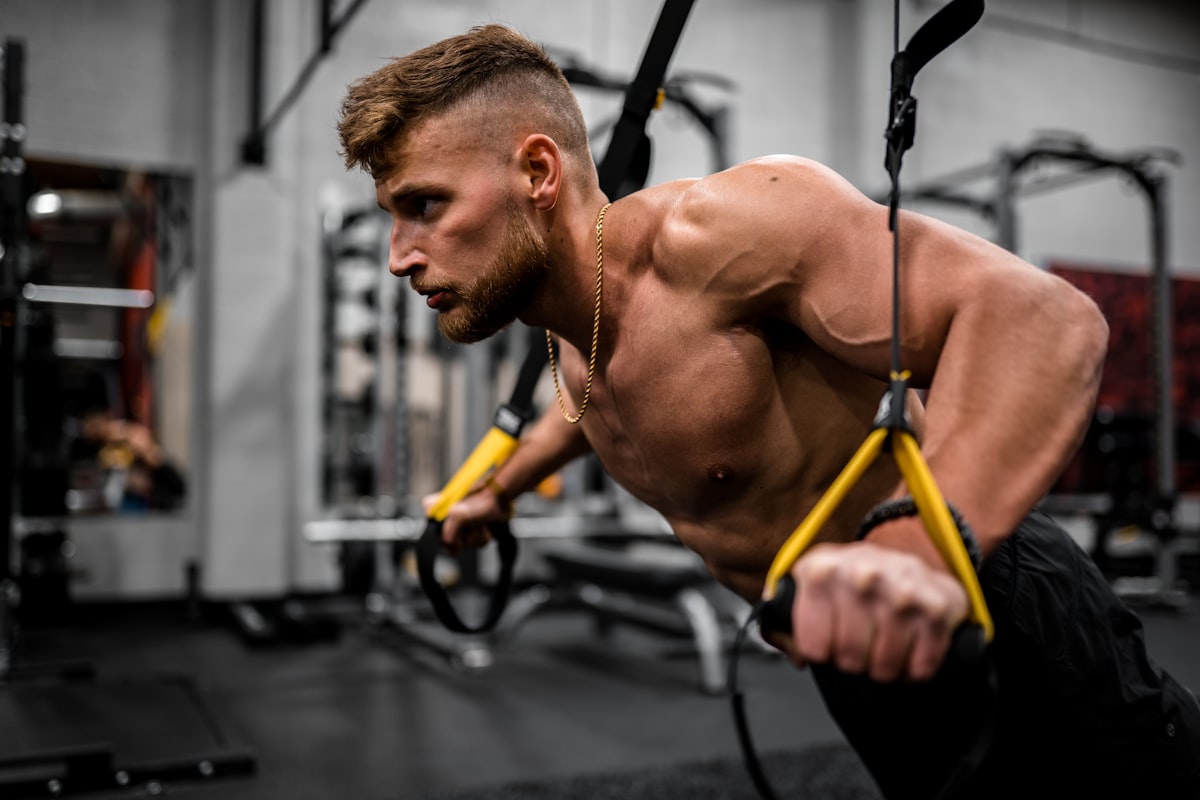
Whey Protein: Types, Quality, and Application
Understand the differences between whey concentrate, isolate, and hydrolysate. Discover how to select quality products, optimal dosing strategies, and best timing for maximum muscle development results.
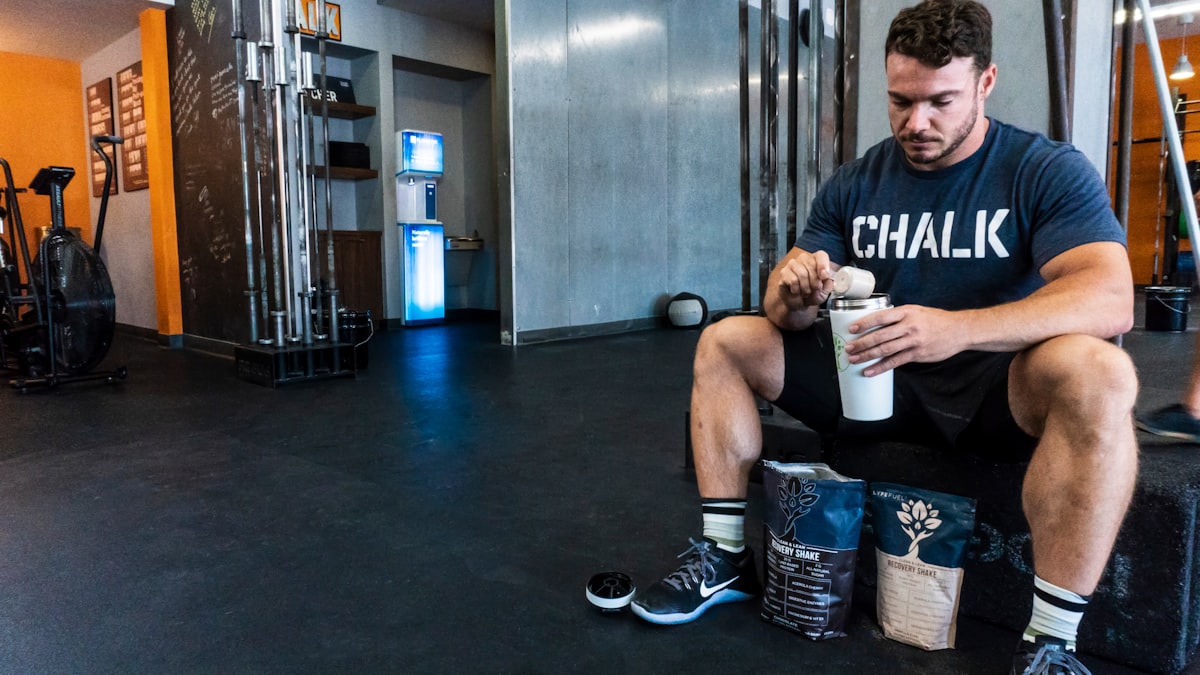
Essential Supplements for Athletic Performance
Learn about creatine monohydrate, beta-alanine, BCAAs, and other evidence-based supplements. Understand how they support training intensity, muscle growth, and endurance optimization strategies.

Pre and Post-Workout Nutrition Strategies
Discover optimal meal timing, macronutrient ratios for pre-exercise fueling, and post-workout recovery windows. Learn how carbohydrates and proteins work together to enhance performance and muscle adaptation.

Nutrition for Optimal Recovery and Sleep
Explore how sleep quality impacts muscle growth and recovery processes. Learn nutrition strategies that enhance sleep onset, quality, and depth while supporting protein synthesis during rest periods.
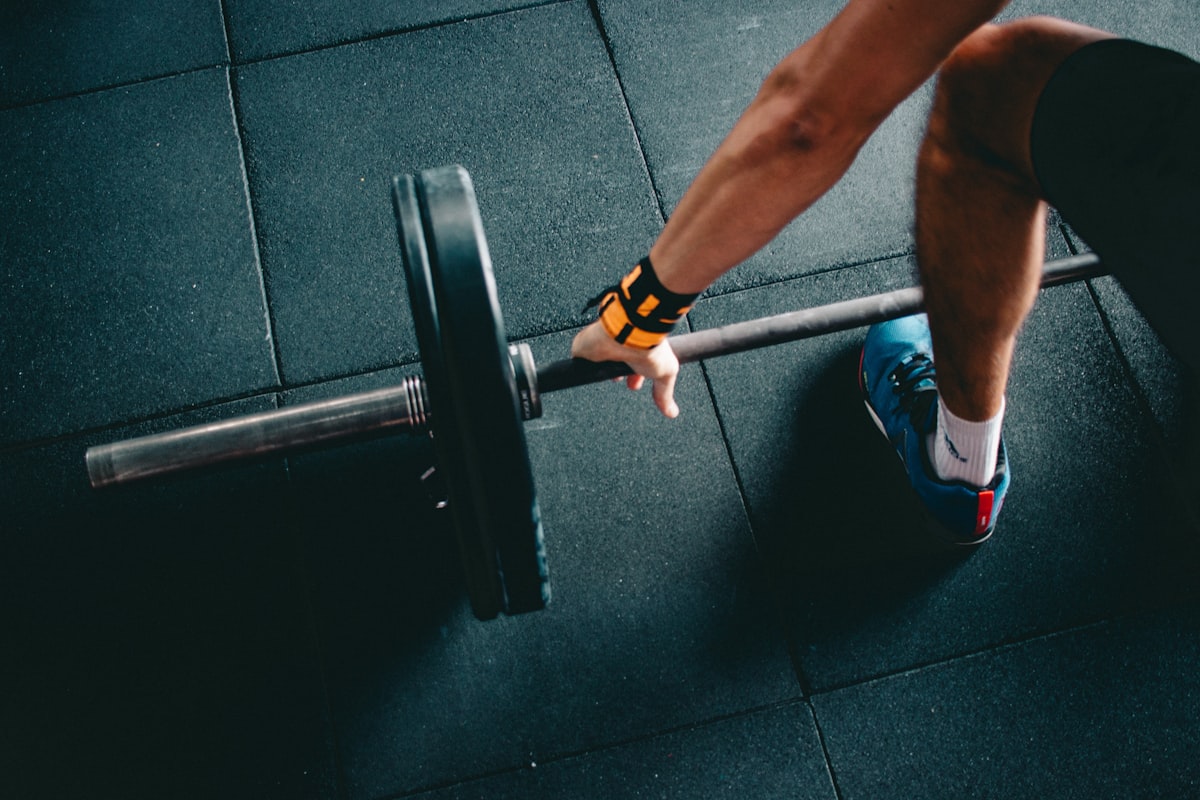
Caloric Surplus Strategy for Clean Bulking
Master the science of strategic caloric increases for muscle growth while minimizing fat gain. Learn macronutrient distribution, meal frequency optimization, and monitoring methods for sustainable lean mass development.

Micronutrient Requirements for Fitness Athletes
Understand essential vitamins and minerals crucial for muscle function, energy production, and recovery. Learn about mineral depletion from intense training and food sources that support athletic adaptation.

Plant-Based Protein for Muscle Development
Discover plant protein sources including legumes, seeds, and grains that support muscle growth. Learn amino acid profiling, protein combining strategies, and supplementation approaches for plant-focused athletes.
Deepen Your Knowledge
Discover comprehensive guides on nutrition science, training protocols, and evidence-based strategies for achieving your fitness goals
Send Us Your QuestionsFrequently Asked Questions
How much protein do athletes need daily?
Sports nutrition research suggests 1.6 to 2.2 grams of protein per kilogram of body weight daily for strength training athletes. This amount supports muscle protein synthesis and recovery from intense training sessions.
What is the best time to consume protein?
While immediate post-workout timing was historically emphasized, recent research shows that total daily protein intake matters more than timing. Distributing protein across 3-5 meals throughout the day optimizes muscle protein synthesis.
Are protein supplements necessary for muscle growth?
Whole foods can provide adequate protein for most athletes. Supplements offer convenience for meeting daily targets when whole food options are impractical. The most important factor is consistent total protein consumption.
How do carbohydrates support muscle development?
Carbohydrates fuel high-intensity training, spare protein for muscle building, and support recovery through muscle glycogen replenishment. They also enhance nutrient absorption and hormone optimization for training adaptation.
What role do fats play in fitness nutrition?
Dietary fats support hormone production including testosterone, enable vitamin absorption, and provide sustained energy. Approximately 20-35% of total calories from healthy fat sources supports optimal athletic performance.
How does caloric intake affect muscle growth?
A moderate caloric surplus (300-500 calories above maintenance) combined with resistance training supports lean muscle gain while minimizing excess fat gain. Training stimulus, protein intake, and progressive overload drive the muscle building response.
Looking for more detailed answers?
View our editorial disclaimer and content policiesHow to Use Our Content
Our articles provide evidence-based information on fitness nutrition. Use these resources to inform your personal training and dietary decisions.
Read and Learn
Explore comprehensive articles on protein sources, supplementation science, training nutrition, and recovery strategies. Each guide includes research context and practical application information.
Apply Knowledge
Use our insights to develop personalized nutrition strategies. Understand macronutrient needs, meal timing considerations, and supplementation approaches aligned with your specific training objectives.
Share Feedback
Send us your content questions and suggestions. Your feedback helps us create more targeted resources on fitness nutrition topics. Contact our editorial team with your input.